Abstract
In facial aesthetics, sexual dimorphism refers to typical differences between men and women in facial features. Across studies, cultures, and age groups, increased femininity consistently enhances female facial attractiveness. Conversely, there is no universal preference for masculine faces, but in short-term contexts and for certain groups, highly dimorphic male faces are preferred. Dimorphism should be optimised while considering harmony between features; extreme traits often read uncanny before they read attractive.
Facial sexual dimorphism is one of the six fundamentals of facial aesthetics. Feminine features in women reliably raise attractiveness across cultures. Male masculinity is preferred in specific contexts, but there is no universal rule. This guide covers the evidence and what to do with it.
What is facial sexual dimorphism?
Sexual dimorphism refers to the physical differences between males and females. In humans, facial dimorphism is a result of hormonal changes related to testosterone and oestrogen during puberty.
At the structural level, the feminine face is less pronounced than the masculine. At a physiological level, the male face typically holds less subcutaneous fat than the female.

Primary characteristics
These are directly related to reproduction: the different sexual organs found in males and females. In facial aesthetics, the term dimorphism usually refers to secondary characteristics instead.
Secondary characteristics
Height, body mass, facial hair, jaw width, and brow prominence are all secondary sex differences. They are highly variable across species and across human populations.
What makes a face feminine?
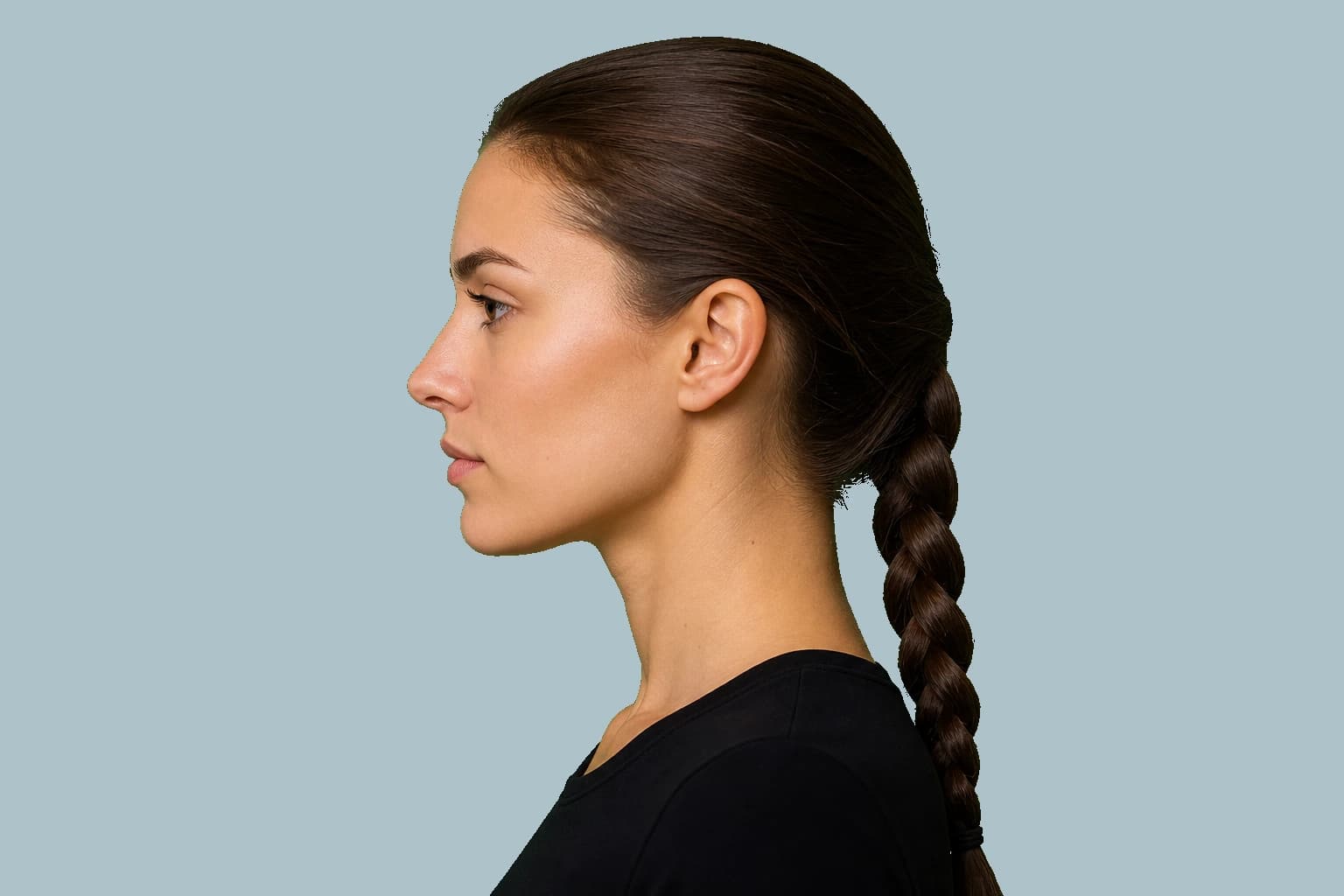
These facial features are more pronounced in females and contribute to perceptions of femininity:
- Fuller lips, with increased lip vermillion height.
- Larger, wider eyes, with greater eye height and width ratios.
- Prominent cheeks and midface, with narrower but prominent cheekbones.
- Smaller, narrower jaw and chin, with a softer jawline.
- Higher, arched eyebrows.
- Narrower nose, shorter and narrower compared to masculine faces.
- Smoother brow ridge and rounded forehead contour.
- Smoother, less rugged skin.
- Overall softer, less angular features.
What makes a face masculine?
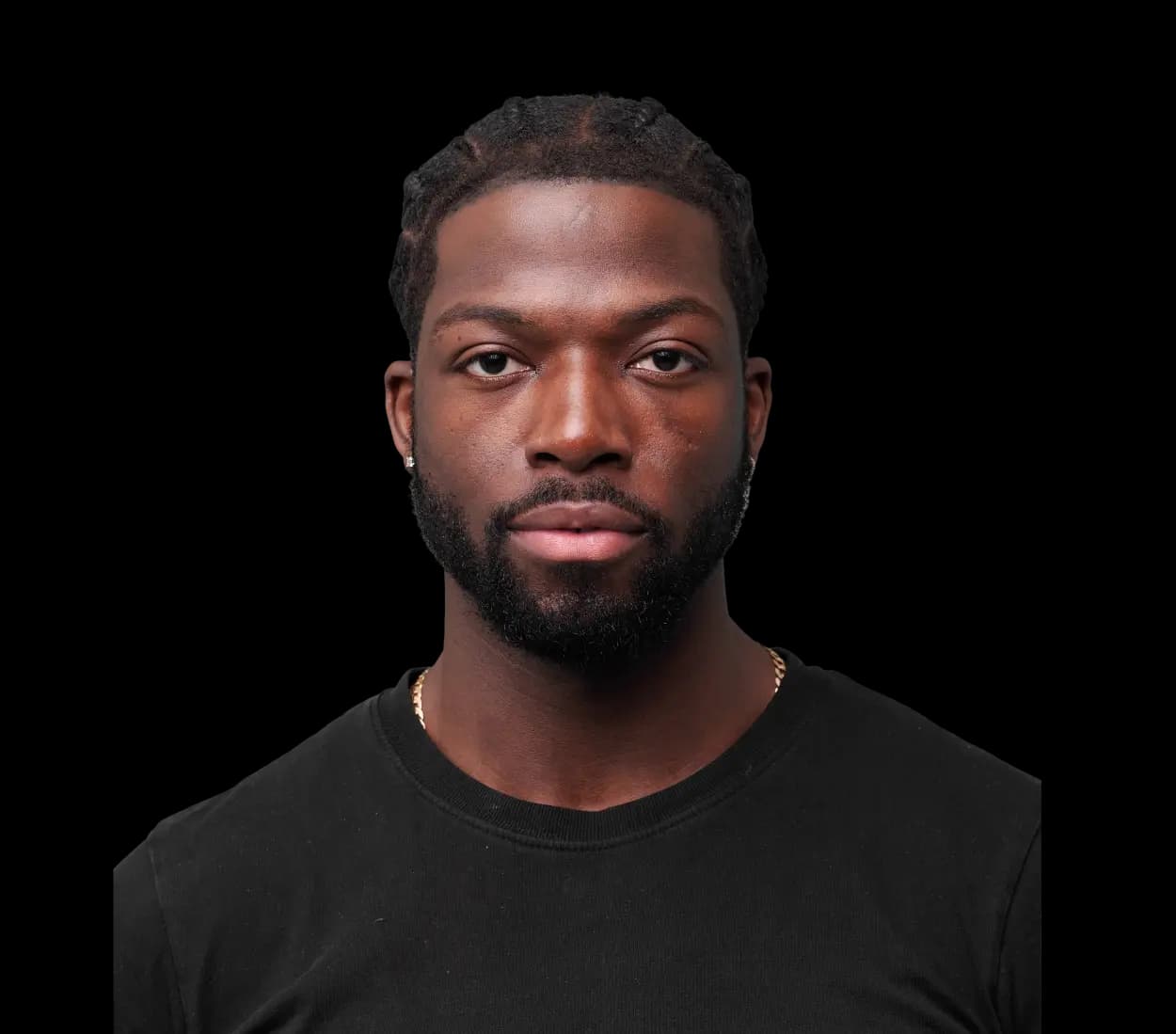
Masculine faces tend toward the opposite pole on most of the same axes:
- Prominent brow ridge and lower-set brows.
- Wider, squarer jaw and chin.
- Thicker, straighter eyebrows.
- Narrower eyes relative to midface width.
- Thinner lips.
- Larger nose with a wider bridge.
- More angular cheek and jaw structure.
- Coarser skin texture.
- Greater lower-face height and chin projection.
How dimorphism affects attractiveness
Meta-analyses consistently find that increased femininity enhances female facial attractiveness across cultures and age groups. The signal is thought to relate to youthfulness and fertility cues. No single feature is magic; the composite reads healthy.
For men, the picture is messier. Some studies find a preference for masculine faces in short-term mating contexts; others find no effect or a preference for neutral-to-feminine male faces. Context, culture, and individual preference all move the needle.
The practical takeaway: for women, moving toward feminine-typical features is almost always a net positive if done within harmony. For men, pushing masculinity only helps when it does not break the rest of the face.
Optimising dimorphism in a protocol
You cannot rewrite your bone structure in a month. You can shift how your face reads within a season by changing fat distribution, muscle tone, skin quality, and resting posture.
For feminine-typical shifts: reduce systemic inflammation, improve sleep, nasal breathing, and midface support through myofunctional work. Soft tissue changes follow.
For masculine-typical shifts: reduce facial fat, improve jaw muscle tone through chewing load, and maintain low body fat if that is your target. Posture and neck position change how the jaw reads in profile immediately.
In both cases, dimorphism works best as one variable inside harmony, not as a standalone goal pushed to an extreme.