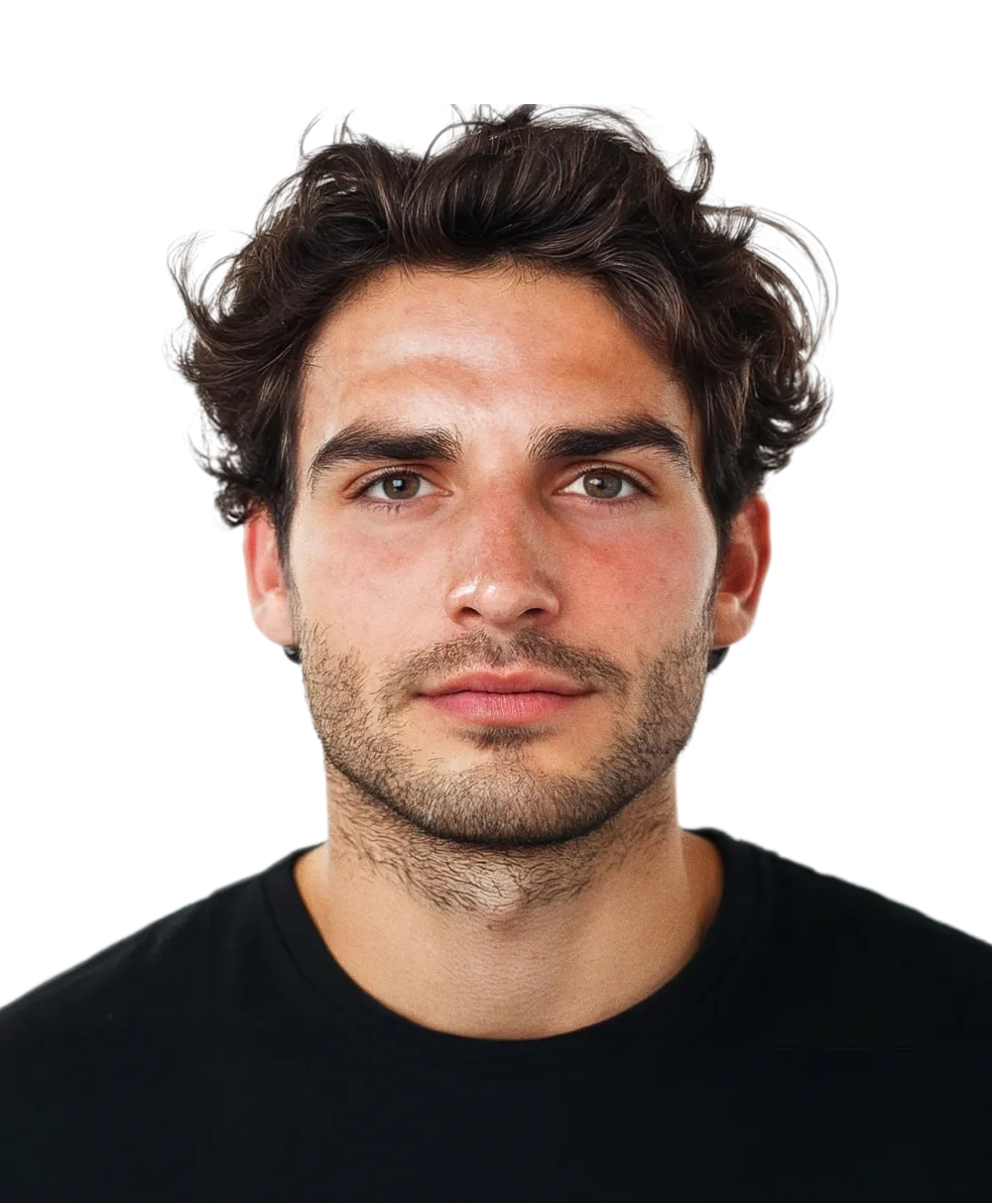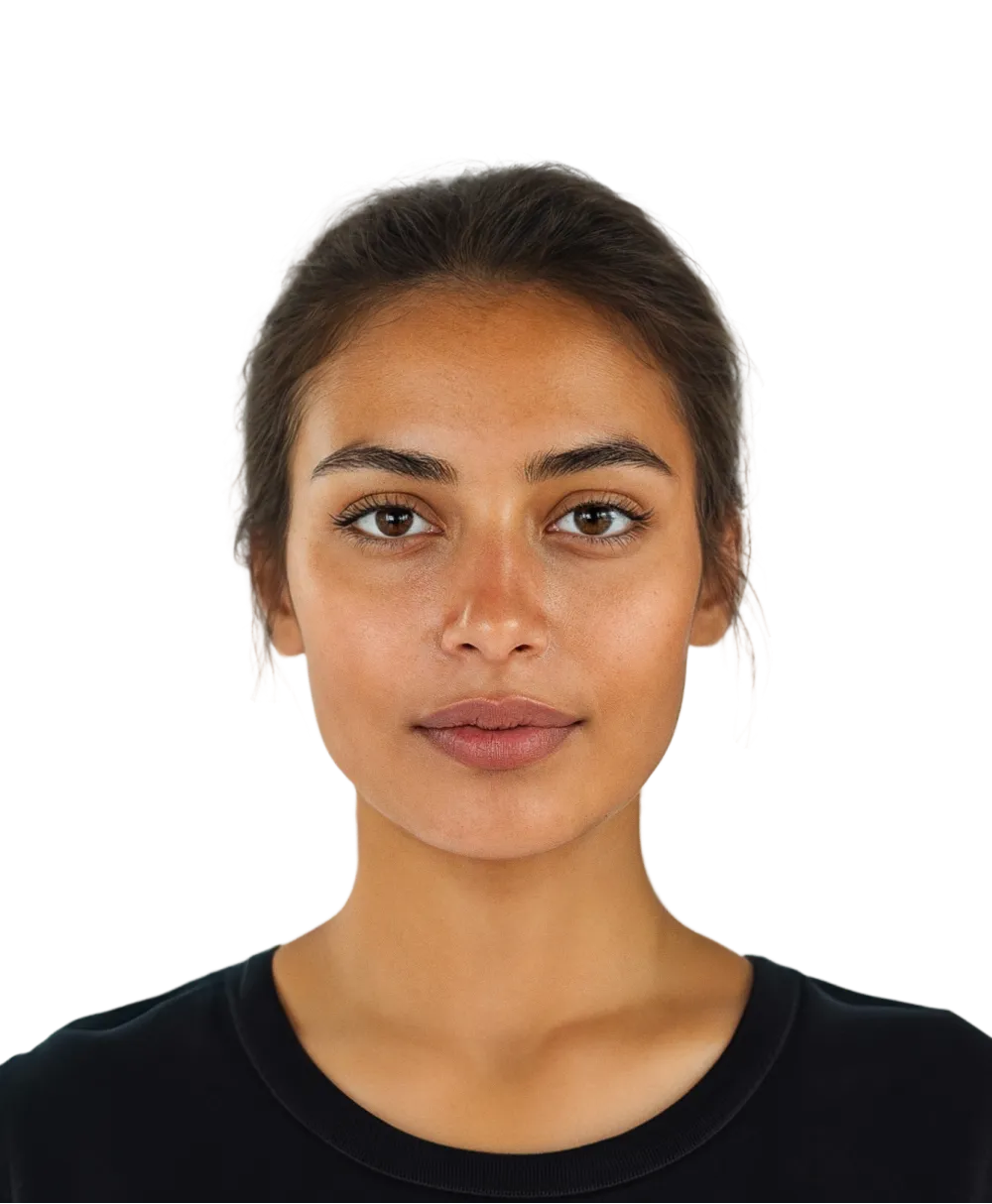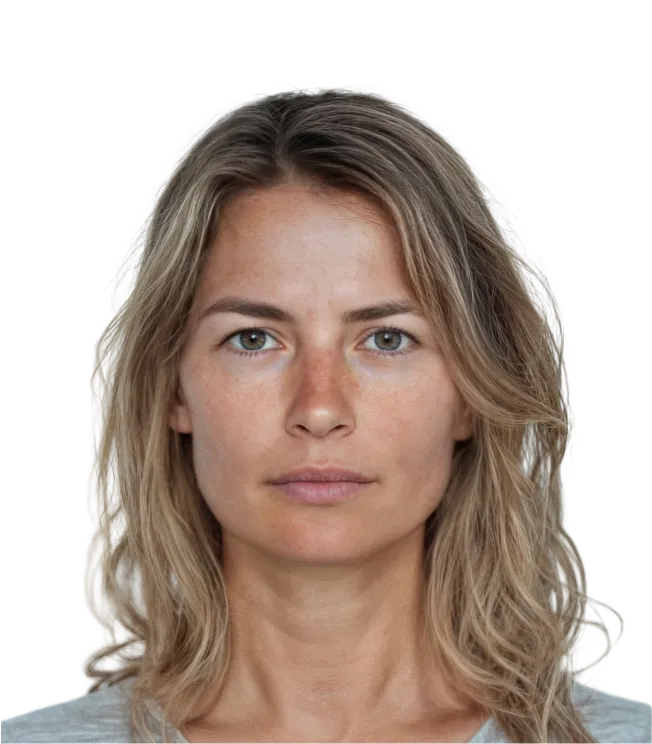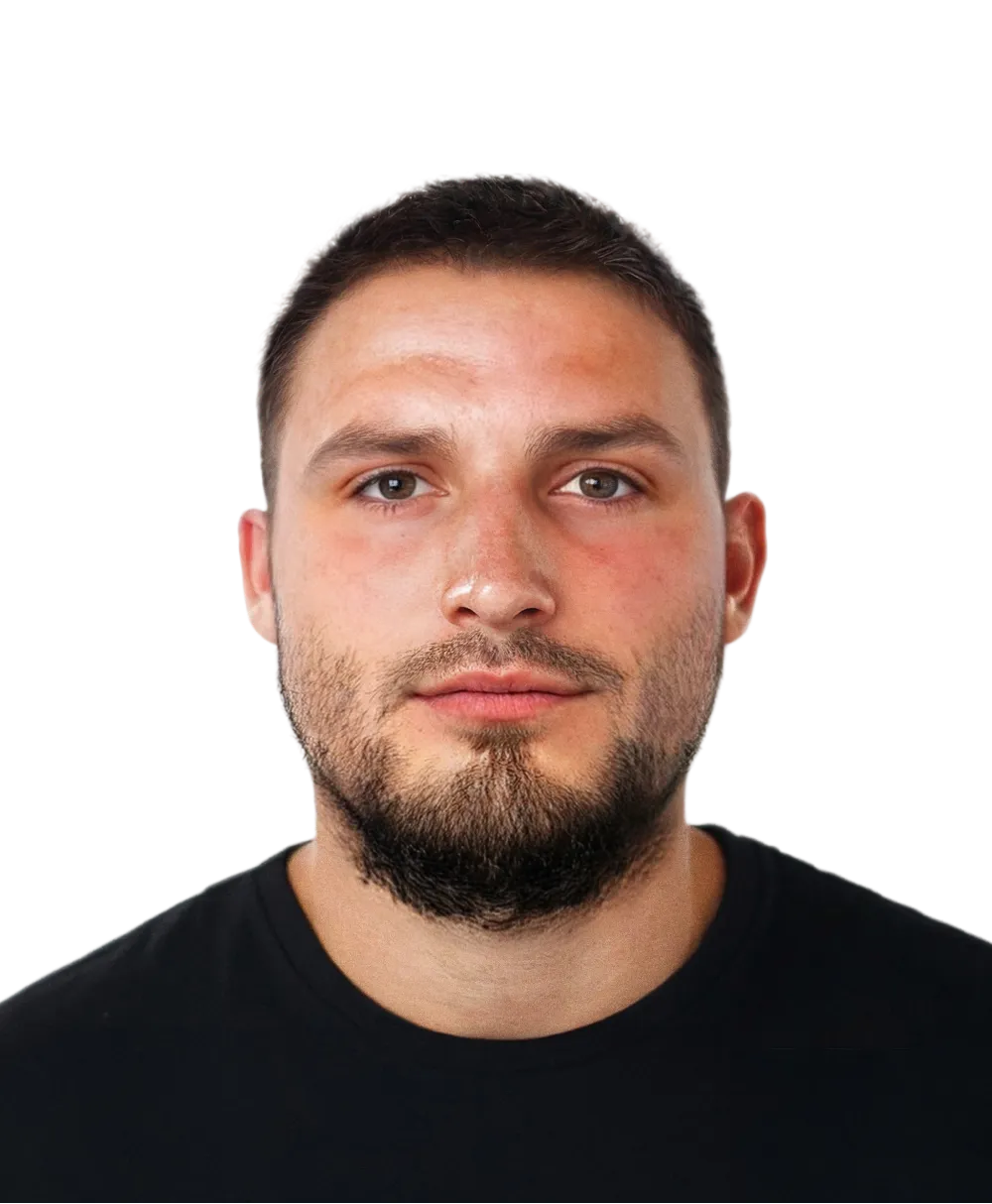
Join 27,000+ people
Facial analysis, iris analysis, and personalized advice with protocols to understand your patterns and track progress.
Start NowA face they take seriously
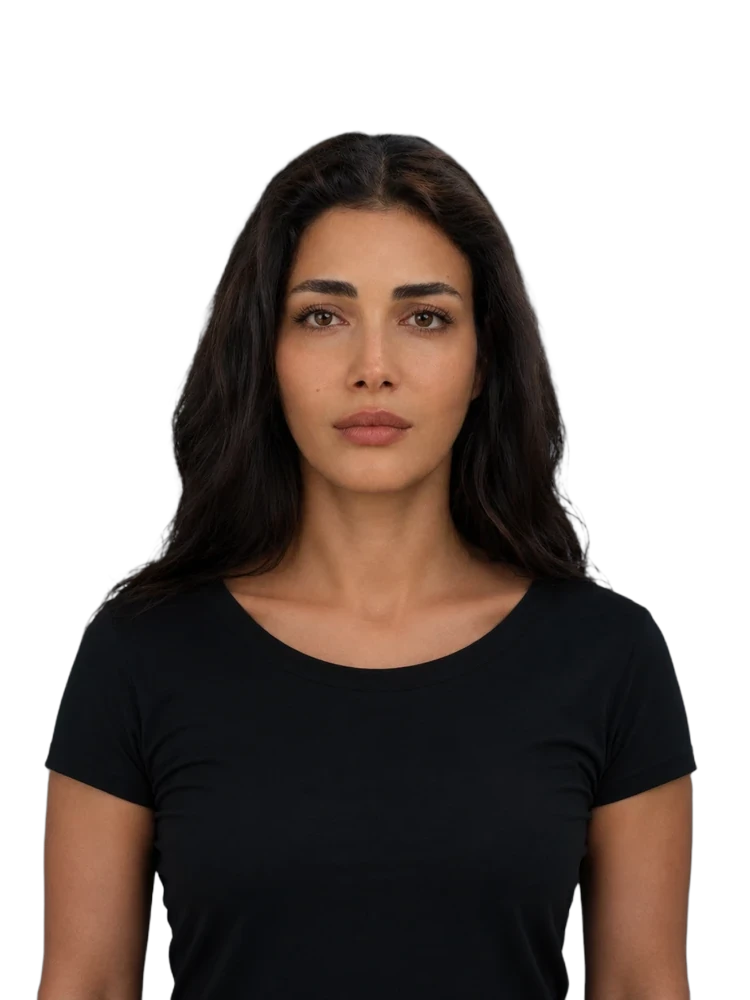
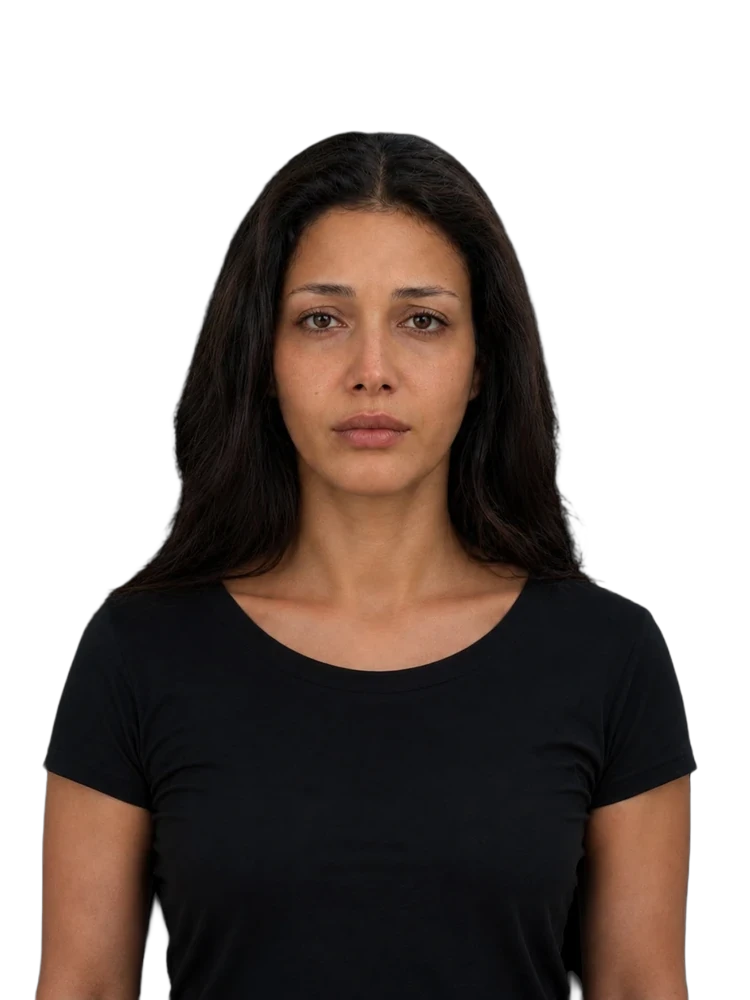
A report from your photos
Habits that show on the face
Better looking in person
Face still has room to grow

01Research
Periosteal bone still adds. T3 still runs the skeleton. Sutures still read load. The papers are already there.
New matrix lands on the outside of bone, so the jaw can get a wider cortex
Kasperk, C., et al. (1997). Bone. PMID 9383273.
Human mandibular osteoblasts express androgen receptors and respond to DHT
Kasperk, C., et al. (1997). Bone. PMID 9383273.
At the pubertal peak, males laid about 40% more radial bone and 70% more periosteal formation
Callewaert, F., et al. (2010). Journal of Bone and Mineral Research. PMID 19888832.
DHT and testosterone increased periosteal formation even without GH-receptor signaling
Vanderschueren, D., et al. (2004). Endocrine Reviews. PMID 17014385.
Personalized analysis
“Beauty is the proper conformity of the parts to one another and to the whole.”
The old way
Fixate on one feature
Guess from mirror checks
No assessment
Unnecessary surgery
Poor results
The new way
Consider your face holistically
Healthmaxxing Analysis
See your future self
Personalised protocol
Real results
How it works
Get your facial analysis, iris analysis, and personalized advice from home in three simple steps.
Drag and drop file to upload
Upload 6 clear photos of your face securely and privately through our online portal.
Your facial analysis records 570+ observations covering structure and oral posture. Iris analysis adds eye-area scores and patterns.
Your forehead wrinkle depth aligns with expectations for your age and facial profile.
You’ll receive a plan highlighting your strengths, areas for improvement, and best ways to improve your appearance.
Personalised analysis
Every face is unique. We assess more than 160 unique beauty markers to give you a precise understanding of your aesthetics.
58% feminine · 65% boldDrag, tap or use arrow keys. Home resets.
Your eyebrow density is in the mid 40th percentile
Lip smoothness
56%Your eyes have a medium melanin concentration.
Facial thirds
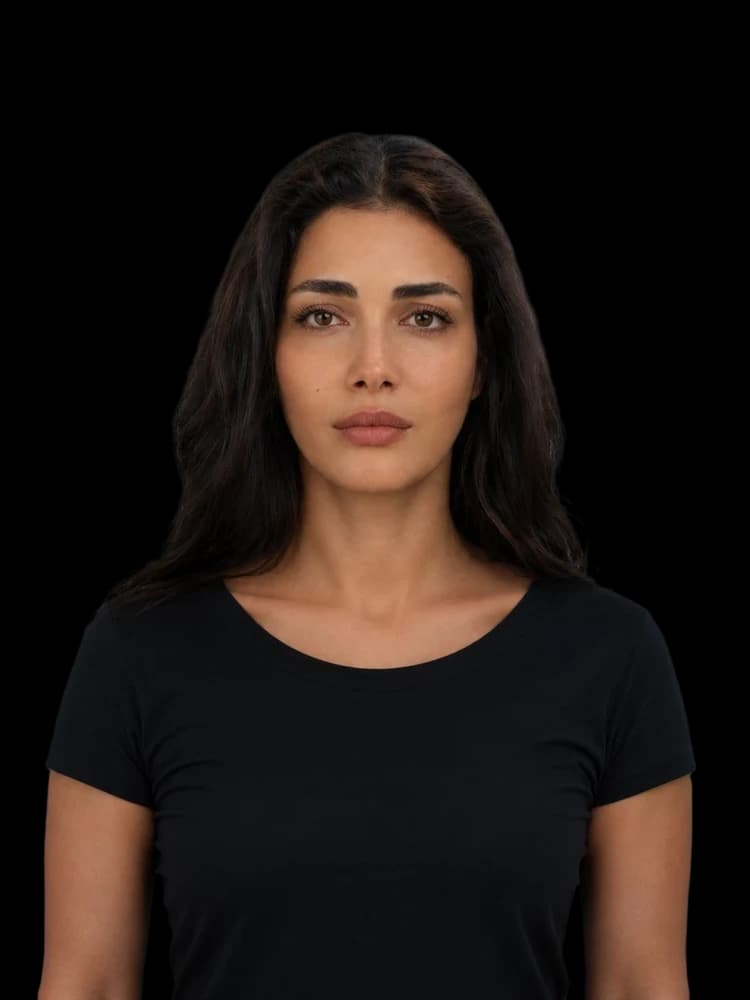
Personalised facial analysis
Measure the features that shape your first impression, then turn them into a practical, surgery-free protocol.
Discover the one trait everyone sees first and how it shapes your entire impression.
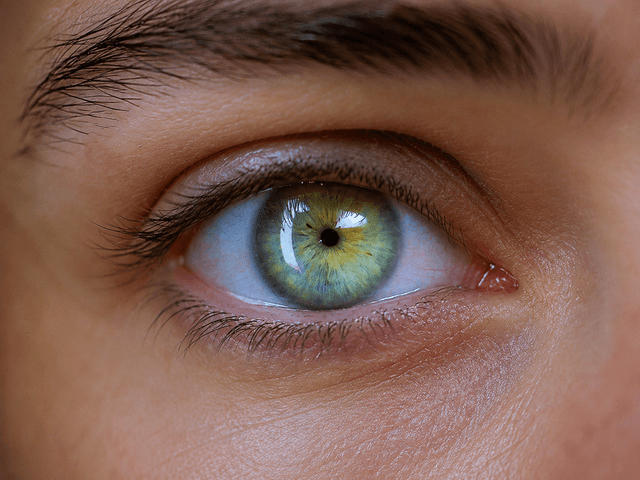
See how individual features work together to influence balance, symmetry, and overall appearance.

Find out which of your features have the most potential for improvement.
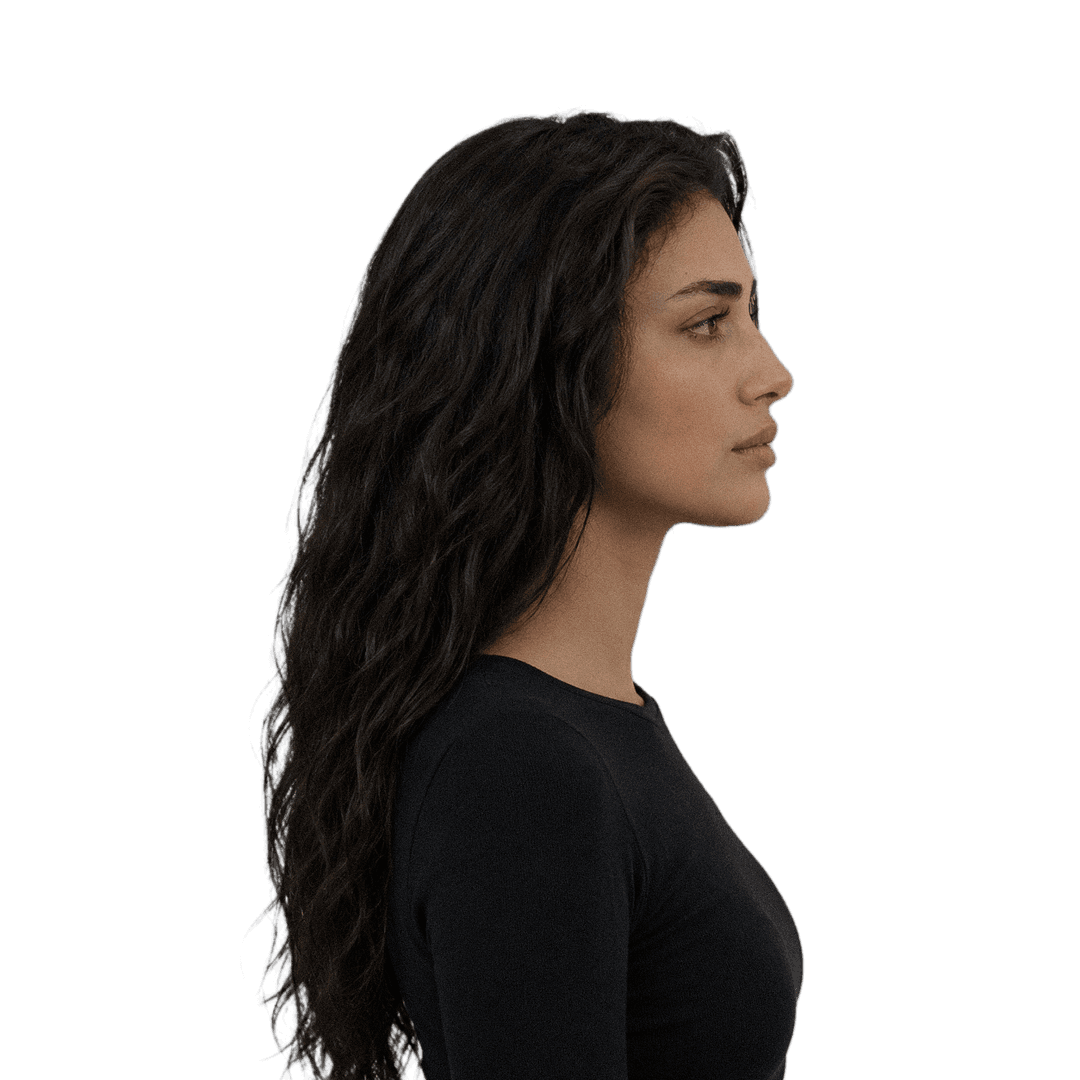
Shastra Study Model
100K
FollowersSupported by history's greatest health pioneers.
Proven recommendations, no surgery required.
Every recommendation is tailored to you.
Based on the latest research.
Join the forum
i need ccw + forward growth Goal 3 months - 1mm -Stt -Thumb pulling -Mewing most of the day (2/3) -towel pulling (bite down pull forward) -fascia release 1x a week (30 mins) +hot
Show morePersonalized

Considers unique facial traits common to your demographic.

Adapts the protocol to your own healthmax direction.
Considers skin, bone and soft tissue changes over time.
Covers testosterone, DHT, T3, progesterone, androsterone, and the rest of your endocrine stack.
Adapts recommendations to your real-world context.
Accounts for inherited patterns that influence outcomes.
Informative
Your current scores and realistic ascension potential.
Detailed breakdown on each facial feature.
How your features work together.
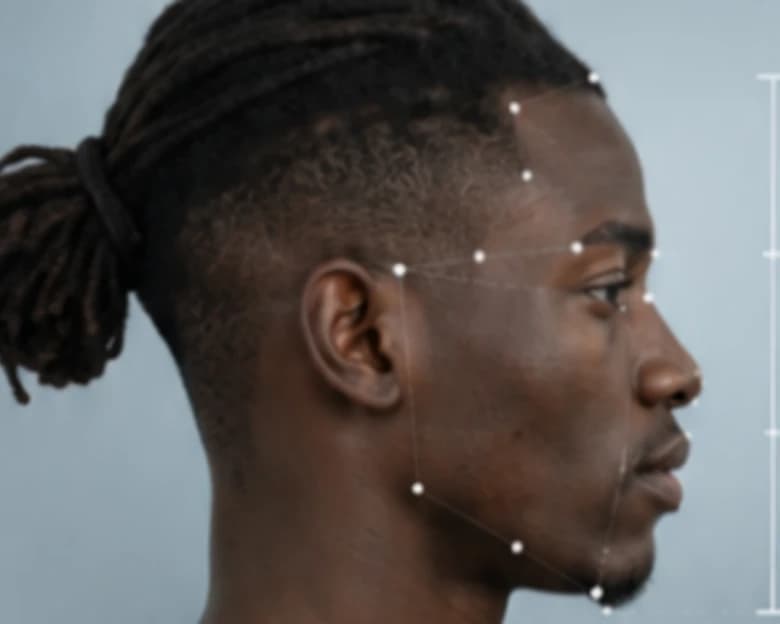
What can improve through habits, grooming, and recovery.
Evidence references for each recommendation.
Facial Analysis: Oral Posture
The following oral-posture checks are included in your facial analysis.
Nasal vs Mouth Breathing
Whether air enters primarily through the nose or mouth at rest and during light activity.
Resting Respiratory Rate
How many breaths you take per minute while seated and relaxed.
Diaphragmatic Use
Whether breathing comes from the belly and rib cage instead of shallow upper-chest lifting.
Breath Hold Tolerance
How long you can comfortably hold a normal breath after a quiet exhale.
Nostril Dominance
Whether one nostril carries more airflow and how often that pattern shifts.
Daytime Air Hunger
Feelings of needing bigger breaths, sighing, or yawning throughout the day.
Exercise Recovery Breathing
How quickly breathing returns to nasal, quiet rhythm after moderate exertion.
Resting Tongue Position
Where the tongue sits when you are not speaking, eating, or swallowing.
Palate Contact
How much of the tongue touches the roof of the mouth at rest.
Tongue Tie Screening
Restricted tongue mobility from a short or tight frenulum under the tongue.
Tongue Mobility
How freely the tongue can lift, extend, and move side to side.
Tongue Strength
The tongue's ability to hold position against the palate without fatigue.
Low Tongue Posture
A tongue that rests low in the floor of the mouth instead of up against the palate.
Tongue Thrust at Rest
Forward or between-teeth tongue pressure while the lips are closed.
Posterior Tongue Elevation
Whether the back of the tongue can lift and support the upper airway.
Resting Lip Closure
Whether lips stay gently sealed without effort when the face is relaxed.
Lip Competence
The lips' ability to stay closed during swallowing and at rest.
Lip Tone
Muscle firmness at the lips that supports a stable oral seal.
Commissure Tone
Support at the mouth corners that prevents drooping or chronic opening.
Mentalis Strain
Chin dimpling or lip strain used to force the lips closed.
Lip Seal During Swallow
Whether the lips remain sealed through a normal swallow without leaking air.
Resting Jaw Position
Where the jaw hangs when teeth are not touching and the face is relaxed.
Teeth Contact at Rest
Whether teeth touch, clench, or stay apart during normal resting posture.
Open Bite Tendency
Front teeth that do not meet when the back teeth are together.
Overbite / Overjet
How far upper front teeth overlap lower front teeth in profile and front view.
TMJ Comfort
Clicking, locking, soreness, or fatigue around the jaw joints.
Bruxism Signs
Clenching or grinding patterns that show up in jaw tension, tooth wear, or sleep.
Tongue Thrust Swallow
A swallow that pushes the tongue forward against or between the teeth.
Lip Pressure During Swallow
Whether the lips stay relaxed and sealed instead of squeezing or flaring.
Cheek Activation
Buccinator muscle tightening that pulls the cheeks in during swallowing.
Chin Movement
Head or chin bobbing used to help complete a swallow.
Swallow Frequency
How often you swallow saliva at rest and whether the pattern feels effortless.
Liquid / Solid Control
How cleanly food and drink move through the mouth without spill or strain.
Forward Head Posture
How far the head sits in front of the shoulders at rest.
Cervical Alignment
The curve and stacking of the neck over the upper back.
Chin Tuck Capacity
Your ability to glide the head back over the neck without lifting the chin.
Shoulder Rounding
Rounded shoulders that pull the neck forward and compress the airway.
Hyoid & Throat Position
How open or compressed the front of the neck appears in profile.
Sitting Posture
Pelvis, rib cage, and head alignment during desk and phone use.
Standing Posture
Whole-body alignment from feet through head when standing naturally.
Open-Mouth Sleep
Whether the mouth falls open during sleep and dries the oral airway.
Snoring Risk
Vibration or partial collapse in the upper airway during sleep.
Sleep Apnea Signs
Pauses in breathing, gasping, or unrefreshing sleep that may point to obstruction.
Sleep Position
Whether back sleeping worsens breathing, snoring, or jaw opening.
Morning Dry Mouth
Dry lips, throat, or mouth on waking that suggests nocturnal mouth breathing.
Night Jaw Clenching
Sore jaw, temple tension, or tooth sensitivity after sleep.
Thumb / Finger Sucking History
Past or current non-nutritive sucking that shaped palate and oral posture.
Pacifier / Bottle Patterns
Early feeding habits that can influence palate form and swallow style.
Cheek / Lip Chewing
Repeated biting or chewing of cheeks and lips that trains poor oral tone.
Nail Biting
A common oral habit linked to jaw tension and irregular resting posture.
Chewing Side Preference
Always chewing on one side, which can skew muscle balance over time.
Gum / Snack Chewing Load
Excess chewing that overworks jaw muscles and disrupts resting jaw position.
Facial analysis previews
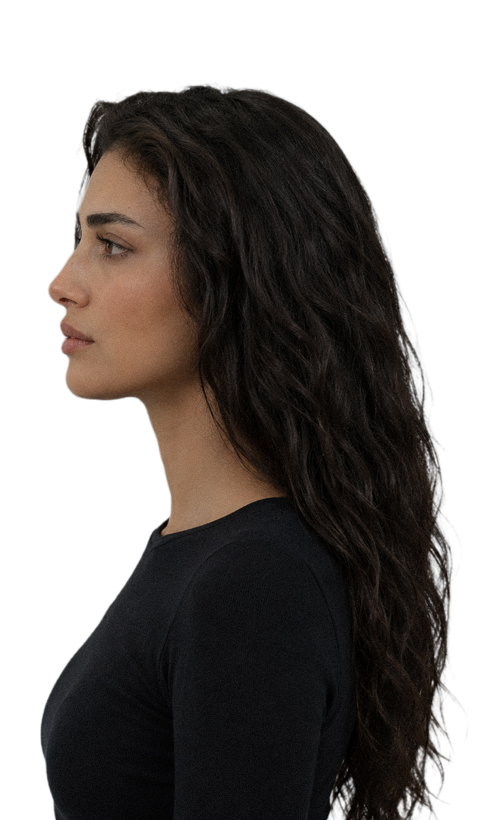
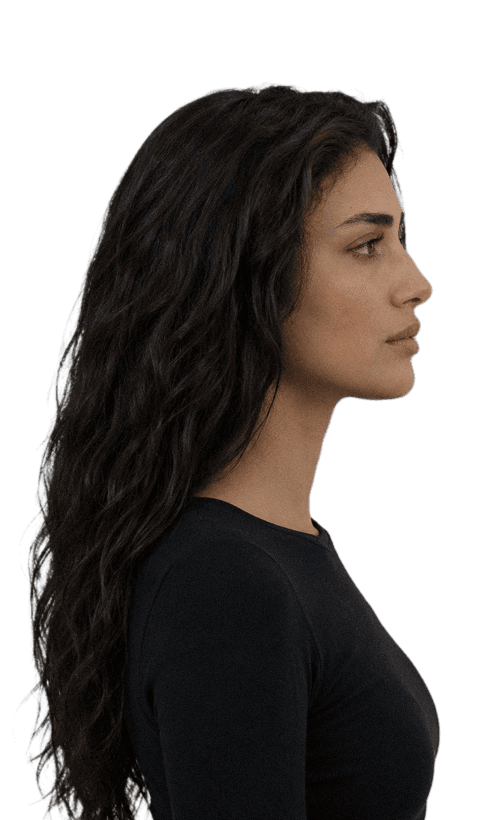
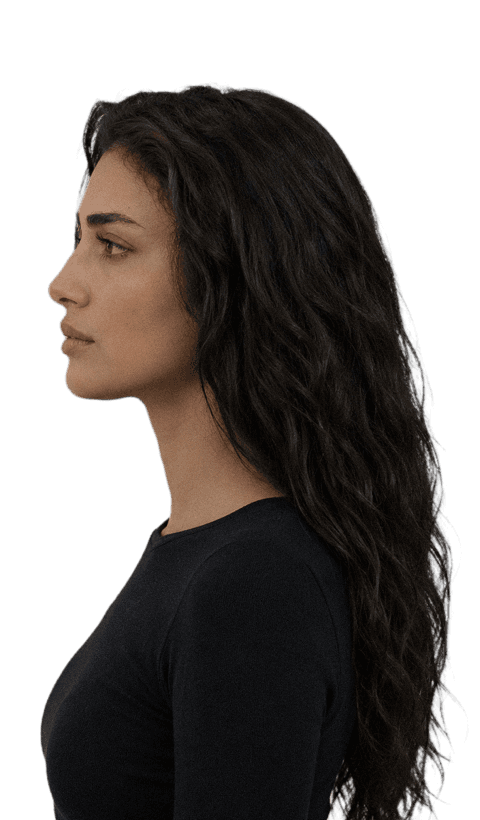
Your facial analysis covers tongue posture, nasal breathing, intraoral facial muscles, maxilla, and jaw balance. Drag the slider to compare the reference views.

Healthmaxxing plan
We provide you with a detailed transformation plan, giving you the exact steps to improve your appearance without any surgeries.
We provide you with a detailed facial improvement protocol based on 450+ evidence-based methods to improve attractiveness.
Improved facial proportions by balancing the facial thirds and fifths of the face.
Ascension
Ever wondered what your face would look like at its best?
Our technology gives you realistic previews of how small, natural changes look on your face.
Any changes we showcase are realistic and achievable using all natural protocols and methods.
We account for the diversity of human facial features, rejecting one-size-fits-all recommendations.
Preview how small changes to your face impact your appearance.
Background
East Asian irises usually look dark brown from dense melanin. In Aajonus iris analysis that dark brown is toxin loaded amber, not a separate natural color.
Aajonus taught only two true eye colors: amber and blue. Green, hazel, and black brown mark penicillin, metals, and other waste sitting in the iris.
If your eyes should be blue but read green, iris analysis reads that as penicillin mold saturating the fibres. Yellow tint often means the same load.
Dense fibres from pupil to rim mean stronger constitution. Gaps, lesions, and dark spots mark weaker regions where toxicity is parked.
Activity rings (worry circles) show how much daily movement you need. A dark limbal edge points to skin waste that clears with hot baths on the diet.
Support
Our team supports you through every step of your protocol. Ask questions, get written notes, and track what changes.
Message our team from your dashboard about diet, skin, hair, sleep, posture, or changes to your protocol.
A guide written by our team for your face: what we observed, your protocol, and what to do first.
Redo your analysis later and see how your face has changed over time, in measurable numbers.
04Pricing
One simple monthly subscription. No hidden fees.
Heightmaxxing
Covers topic: Second puberty, posture and a deep read on your biomechanics.
Fixing and maximizing hormones
Targeted protocols for testosterone, androsterone, DHT, T3, progesterone, and more.
Hair loss and craniofacial ascension
Protocols to fix hair loss and support ascension of the skull, atlas, sphenoid, and maxilla.
Facemaxxing protocols
Complete, progressive protocols with intraoral exercises and palate expansion work.
Private member dashboard
Your reports, protocol, messages, and full history in one place, anytime.
Healthmaxxing Membership
You subscribe for a face and iris analysis, then a protocol written from that report. Bone, load, hormones, diet. The photos come first. The plan comes after.
Upload front and side photos. The report measures bone, proportions, and symmetry, then ranks what is costing you. You leave with numbers and a first move.
The protocol follows the report. If T3 or androgens are the limiter, that goes first. Then intraoral load, suture work, diet, recovery, in the order your face needs.
Subscribe, upload photos, fill out intake, then open your dashboard. Your analysis, protocol, messages, and progress tracking all live in one place.
Full analysis, your protocol, facemaxxing, hormone guidance, progress tracking, and your member dashboard. Rates are in the pricing section above. Access is prepaid. Refunds are not standard. Support only reviews documented emergency cases. See the Terms.
Your photos stay yours. Encrypted, not used in ads without permission. Want it deleted? Ask.
The goal is to improve daily performance, recovery, health habits, and appearance through a structured plan with measurable checkpoints.
Most of this is home based. Basic tools. No supplements. All natural. No surgery required. If you're on meds or have a condition, talk to your doctor first.
Message from your dashboard anytime. Analysis questions, protocol tweaks, stuck on a step. Your full thread history stays in your account.
Guessing wastes months. A report shows what is already fine, what diet and training can still change, and what is genetic so you can leave it alone.
The report scores the traits you have now. What is already fine stays marked that way, so you do not treat it like a problem.
Diet, posture, and training stay on the list. Things that will not move come off, so you are not running twenty fixes at once.
Genetics stay in the report. Your effort goes to the work that can still pay off.