Shastra is currently 100% free, with unlimited facial analyses. It combines facial measurements with a myofunctional view of the face, including visible lip seal, jaw rest and facial rest. If you are comparing FaceIQ Labs, QOVES and Shastra, the main differences are what the analysis includes and what you need to pay to keep using it. Try Shastra.
Shastra, FaceIQ Labs and QOVES at a glance
We build Shastra. This comparison brings together our team's evaluation and the competitors' published product information, checked on 21 September 2026.
| What you get | Shastra | FaceIQ Labs | QOVES |
|---|---|---|---|
| Main focus | Facial measurements and myofunctional analysis | Harmony, angularity, dimorphism and features | Facial analysis and a personal improvement plan |
| Photo input | Front and right profile | Front and side profile | Six photos |
| Free access | 100% free for now | Limited free analysis | Paid membership |
| Unlimited analyses | Free for now | Included in paid Basic and Pro plans | One analysis per year in the advertised membership |
| Dedicated myofunctional analysis | Yes | Not offered in our team's evaluation | Not offered in our team's evaluation |
| Oral posture records | 52 checks across 8 areas in the separate clinic workflow | Facial photo assessment | Facial assessment and improvement protocol |
What makes Shastra different?
Shastra lets you examine facial proportions and read them through a myofunctional lens. The analysis includes visible resting cues around the lips, jaw and face alongside facial geometry. That gives you a way to look at how the face is held as well as its proportions.
The wider Healthmaxxing assessment adds 52 oral posture checks across 8 areas: breathing, tongue posture, lip closure, jaw and bite, swallowing, head and neck posture, sleep, and oral habits. These are recorded through the clinic assessment; they are not all inferred from a photograph.
For someone interested in oral posture, this is the reason to try Shastra. You can begin with the facial analysis, inspect the myofunctional results, and explore the individual checks in more detail.
The myofunctional coverage evaluation
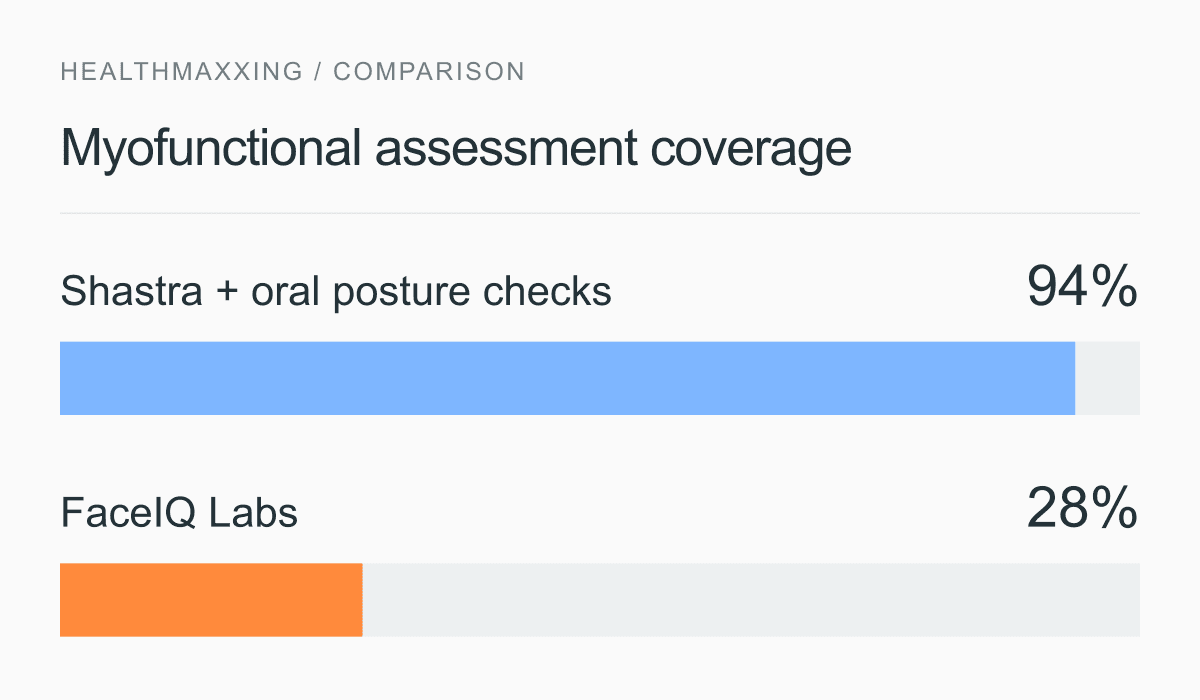
Our published assessment evaluation reports approximately 94% coverage for Shastra with oral posture checks, compared with 28% for FaceIQ Labs. The comparison concerns how much of the assessment is covered. These are coverage figures, not accuracy percentages.
The distinction is the additional oral posture assessment. A photograph can contribute visible observations; tongue position, swallowing patterns and breathing habits also need their own checks. Shastra's combined workflow brings these records together with facial measurements.
QOVES is included in the product comparison above, but has no numerical result in this published coverage evaluation.
Shastra vs FaceIQ Labs
FaceIQ Labs organises its analysis into four pillars: harmony, angularity, dimorphism and features. It documents 70 facial measurements and lets users review and move landmarks. Its free tier includes a profile score, ten ratios and a small selection of strengths and flaws. FaceIQ product guide and scoring guide.
The practical difference is access and focus. FaceIQ places full analysis and unlimited use in its paid plans. Shastra currently offers unlimited facial analysis for free and includes a dedicated myofunctional view. If that is what you want to explore, you can start without buying an analysis plan.
Shastra vs QOVES
QOVES advertises an assessment from six photos, more than 160 facial markers, and a personal improvement protocol. Its membership includes one analysis per year, visualisations and access to its team through the dashboard. QOVES product and membership information.
Shastra is built for opening the tool and running your own facial analysis. Its current free, unlimited access makes it easy to repeat a scan with a better photo or return later. The myofunctional analysis is part of what you can explore, while Healthmaxxing's clinic workflow extends that into structured oral posture records.
Try Shastra on your own photos
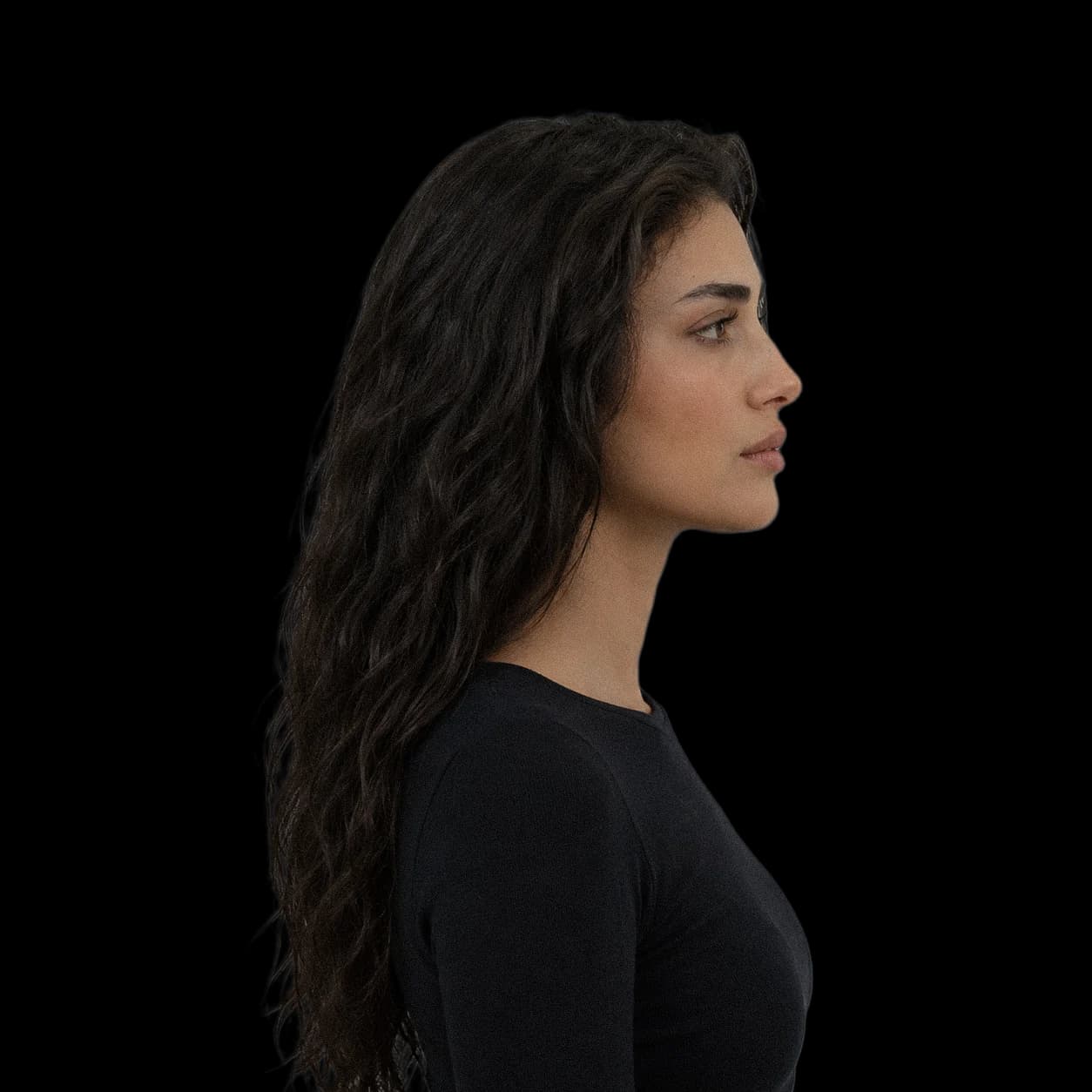
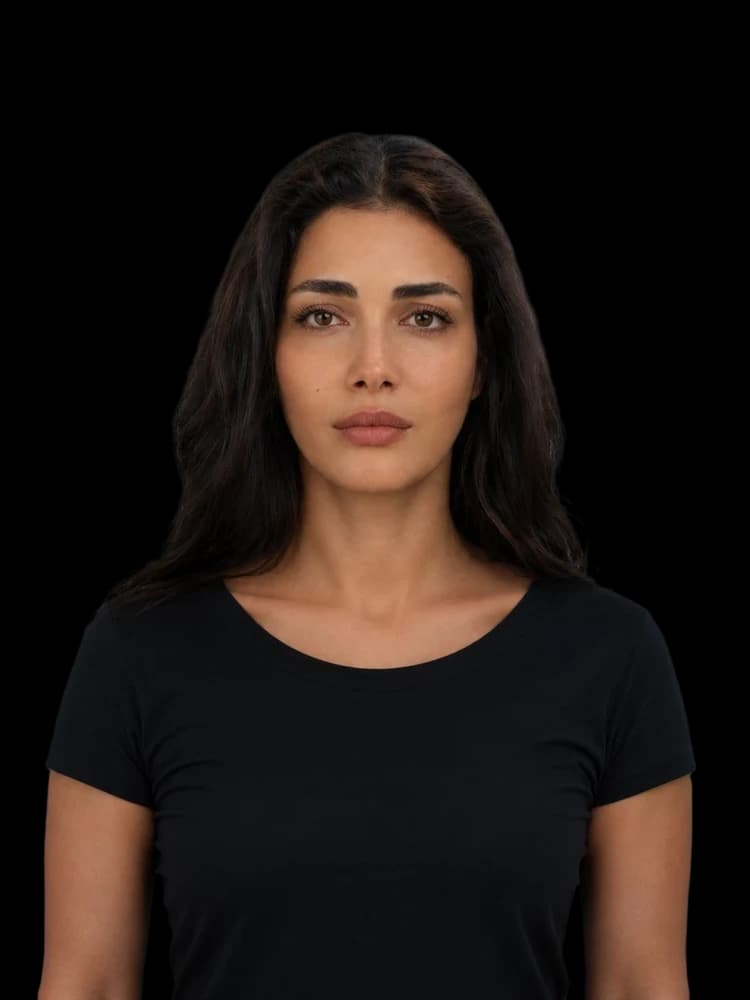
Start with a clear front photo and a right profile. Keep the camera at face level, use even lighting and let your face rest naturally. Open the measurements, then switch to the myofunctional analysis to see the different readings.
When comparing scans, keep the photo setup consistent. This makes changes in the report easier to interpret. Our guides to facial convexity, gonial angle and lower face height explain several of the measurements you will encounter.
Free. Unlimited. Available now. Open Shastra and see your own analysis. Clinics and practitioners can also explore the myofunctional assessment desk.
Frequently Asked Questions
Yes. Shastra facial analysis is currently 100% free with unlimited analyses.
Explore your facial proportions
Facial measurements and myofunctional analysis. Currently 100% free and unlimited. Try Shastra →