Thumbpulling means applying manual traction to the hard palate, the bony roof of the mouth, with both thumbs. It is discussed as a way to influence the upper jaw. The research behind it concerns how sutures and bone cells respond to force; the size and predictability of adult facial changes from thumbpulling remain unestablished. This guide explains the anatomy, static and cyclic loading, and how the published studies relate to the technique.
What is thumbpulling?
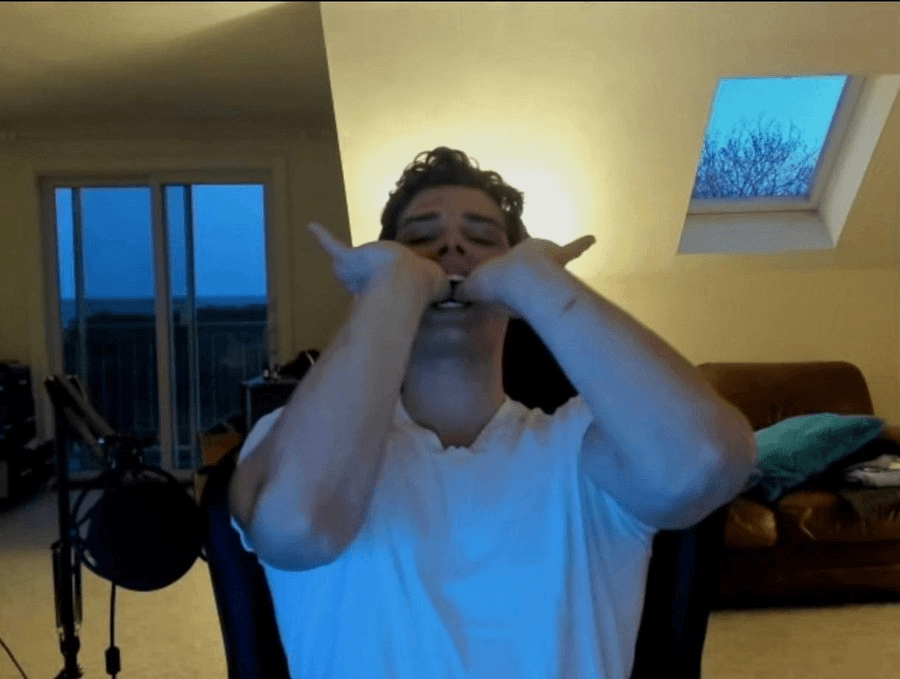
The intended contact is the hard palate, with an outward and slightly diagonal direction of force. This is meant to transmit strain through the palatal vault and joints around the maxilla and zygoma. The teeth, gum margins, and soft palate are different tissues and are not the intended contact points.
A static hold keeps force steady. Cyclic loading alternates loading and release. These terms describe the pattern of force, not how hard someone pulls. The distinction matters because controlled suture experiments can compare the two patterns at the same peak force.
Where the force goes
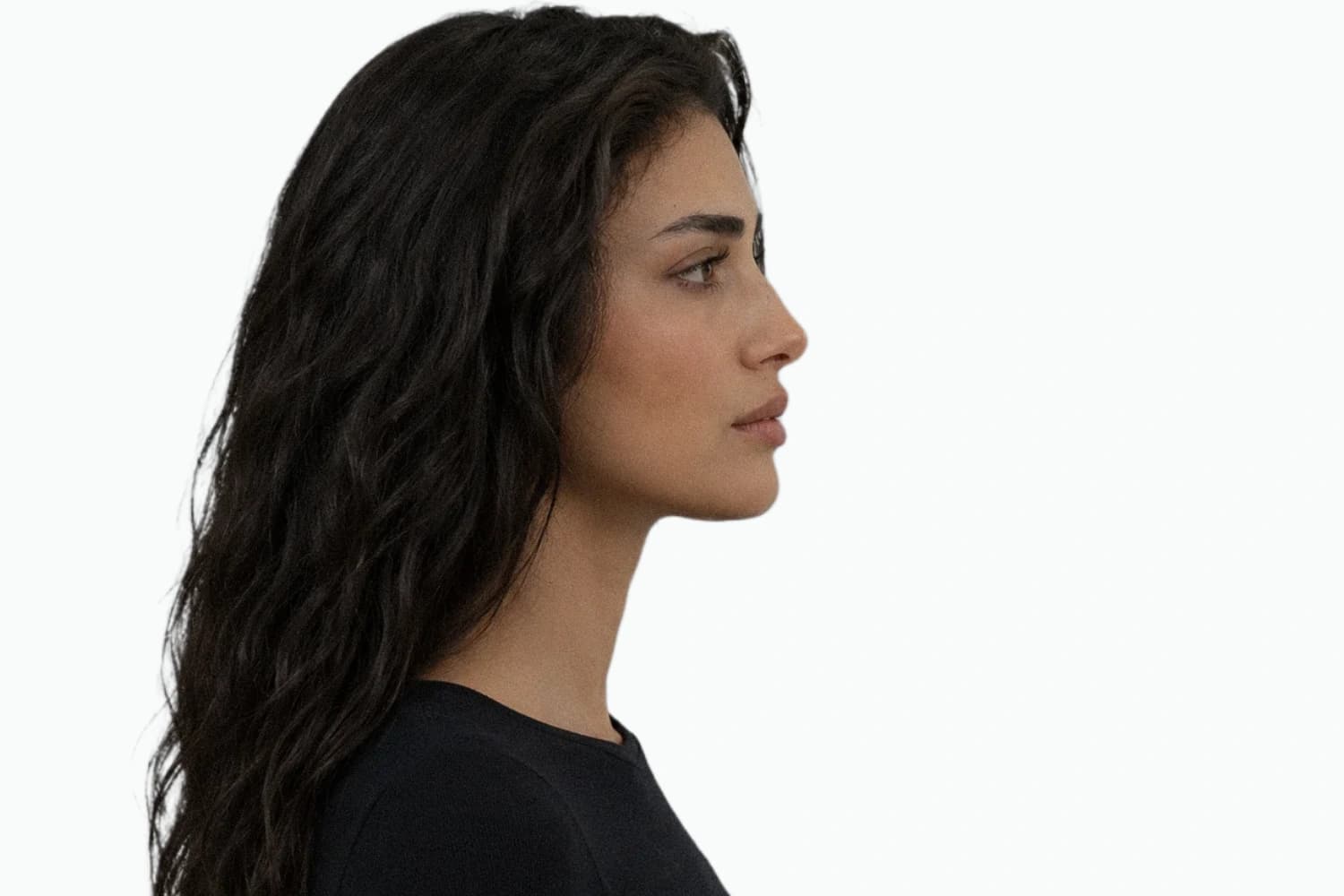
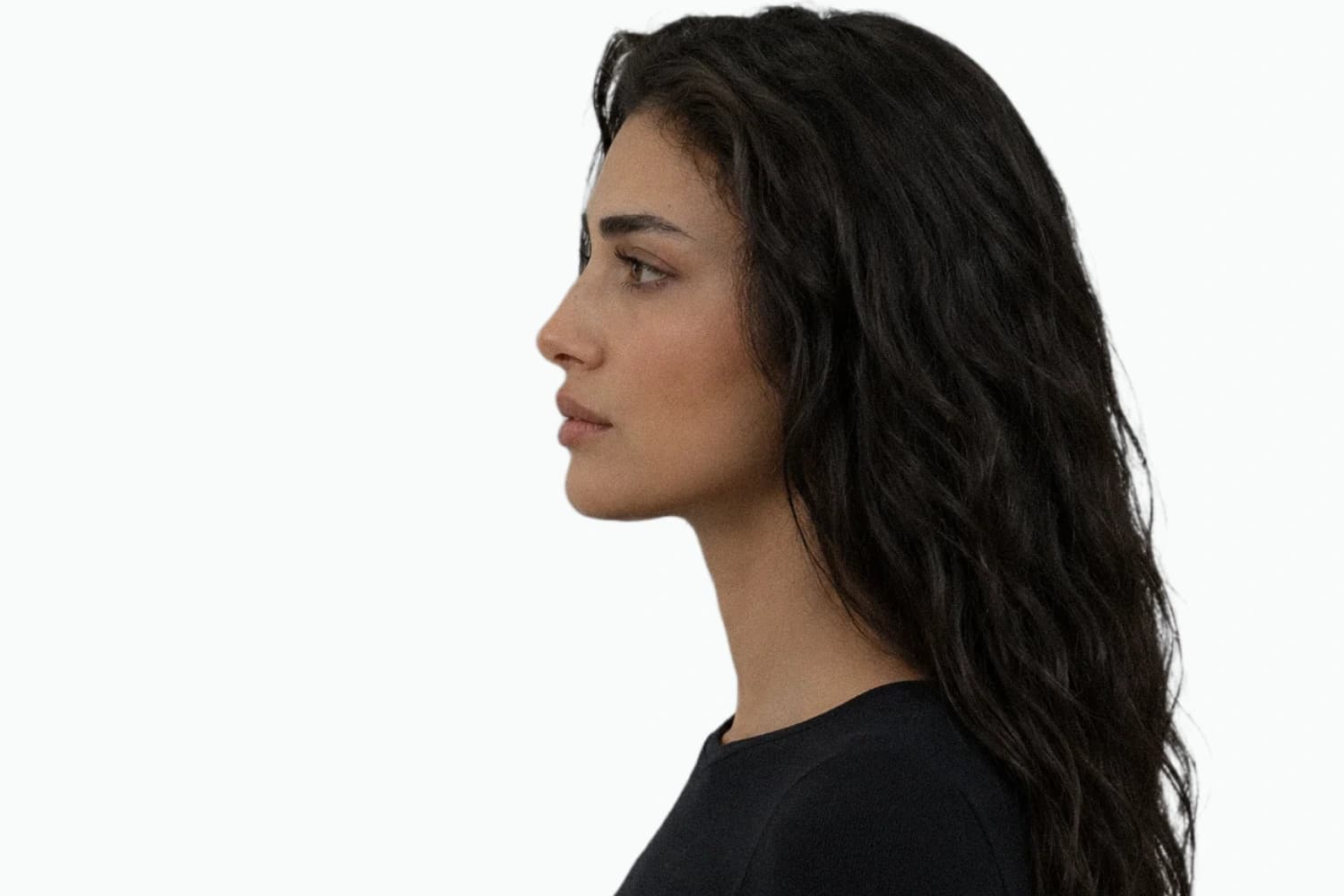
The photograph marks the intended hard-palate contact and outward, slightly diagonal direction. It illustrates placement, not a calibrated amount of force. Pressure on the teeth can affect the bite.
Cyclic thumbpulling vs static
Static loading maintains force in one direction. The routine described here uses 20-30 second holds at about 40-60% of a hard pull, with even contact on both sides and a relaxed jaw. This effort estimate is subjective; it is not a measured force in newtons. Stop if the teeth hurt, the jaw clicks or locks, the neck has to brace, or the bite changes.
Cyclic loading alternates force and release. In growing rabbits, it produced more suture growth than a static load at the same peak force (PMID 12619937). Experiments using cyclic tension and compression at 1 N and 8 Hz found changes in suture width, cell density, and osteoblast surface (PMID 18032124). Small oscillatory strains also increased sutural growth in experimental work (PMID 12454093). These studies distinguish the loading pattern from its peak strength.
Bone cells detect mechanical input through channels including PIEZO1/2 (PMID 34208464). Controlled separation of the zygomaticomaxillary suture recruited osteogenic progenitors, cells that can develop toward bone formation (PMID 38971766). These mechanisms explain responses to experimental loading. The force reaching each suture during a manual palatal pull has not been established by those experiments.
Does thumbpulling work?
The cited evidence supports a biological response to controlled suture loading, but does not establish how much an adult upper jaw changes with thumbpulling. Adult periosteal bone formation is documented, including human rib observations, but those findings do not measure this technique (PMID 5917324, PMID 2399958). A useful before-and-after comparison needs consistent camera distance, head position, lighting, and landmarks. Changes in shadows, muscle tension, or the bite should not be counted as new bone.
What the suture needs to build bone
Loading tells bone cells to build. It does not give them the materials. New suture bone starts as a collagen scaffold that is then mineralized, and each step has a chemical requirement. Collagen is built from glycine and proline, which come from dietary protein, and it needs vitamin C to hydroxylate proline so the strands can lock together. Mineralization needs calcium and phosphorus. Osteocalcin, a protein osteoblasts put into new bone, only binds calcium after vitamin K has carboxylated it. This is the ordinary biochemistry of making bone, and no amount of stretch replaces it.
The Healthmaxxing diet is built to supply that chemistry from raw food. Raw milk and cheese give protein, calcium and phosphorus together. Grass-fed butter and aged cheese carry vitamin K2. Raw orange juice supplies vitamin C. Raw oysters supply zinc, and in human depletion experiments low zinc reduced circulating testosterone (PMID 8875519). Raw milk also carries lactoferrin, which increased osteoblast proliferation in cell cultures and new bone formation over adult mouse calvariae (PMID 15166119). The full case is in lactoferrin, myo-inositol and jaw growth.
Total energy matters as much as any single nutrient. Osteoblasts spend ATP to make and secrete collagen, and thyroid hormone T3 sets much of that energetic capacity in bone cells (PMID 26862888). Chronic under-eating lowers T3. Eating enough, including fast carbohydrate from fruit, juice and raw honey, keeps running the same machinery the traction is trying to switch on. What has not been measured is how much diet changes the adult response to thumbpulling itself. These are requirements for bone formation, not proof of a bigger result.
Suture Traction Therapy before thumbpulling
Suture Traction Therapy applies manual traction over facial sutures. The cited paper used a Delphi process, in which experts assessed a proposed sequence for facial asymmetry (PMID 35888588). It describes protocol development rather than a trial measuring adult maxillary expansion. The Healthmaxxing routine places facial traction before palatal work, with attention to the zygomaticomaxillary and frontozygomatic regions.
The sequence described here starts with relaxing the jaw muscles, then facial traction, static palatal traction, cyclic loading, and tongue exercises. The illustrated sequence is in the Craniofacial Mechanobiology Atlas. For the separate roles of hormones and nutrition, see how to improve facial dimorphism.
Thumbpulling vs mewing
Mewing is resting tongue posture against the palate, usually with the lips closed and nasal breathing. Thumbpulling is a manual traction session. One concerns habitual posture; the other applies external force. Holding the tongue forcefully against the palate all day is also different from alternating loading and release. Evidence about one should not be treated as proof of the other.
How to assess a thumbpulling tutorial
When comparing a tutorial, look for clear anatomy, a distinction between static and cyclic force, and references that identify what was actually studied. A demonstration can explain hand position, but it cannot establish bone growth or a safe force for every person.
Bruce (@bruceisprimal) describes the Healthmaxxing sequence on this page. The studies are linked beside the relevant claims so readers can distinguish experimental findings from the manual routine.
How to do thumbpulling
The following is the Healthmaxxing sequence. Its timings describe this routine rather than a dose validated by the cited animal studies.
- Warm-up. Hot shower or bath.
- Masseter release. Get the clench out before you load sutures.
- Suture Traction Therapy. Zygomaticomaxillary and frontozygomatic first if midface or asymmetry is the issue (PMID 35888588).
- Static thumbpulling, middle palate. Outward / slightly diagonal. About 30 seconds, release, one nasal breath, 4-6 holds.
- Static thumbpulling, anterior hard palate. Around the incisive papilla. Not on the incisors.
- Cyclic thumbpulling. Same peak force as the static hold. Load, unload. No bounce.
- Nasal breathing. Mouth closed, light. Match the pull to the breath.
- Tongue after. Palate suction, posterior tongue up. Rest of the day: tongue on the palate, lips closed, jaw unclenched.
What this will and will not do
The safety of this manual routine is not established by the animal loading studies. Keep pressure away from the teeth and stop for pain, jaw clicking or locking, numbness, or changes in the bite. A subjective effort percentage cannot guarantee safety or predict adult maxillary expansion.
The protocol, short
For the detailed sequence, use the atlas. For endocrine and nutritional mechanisms, see how to improve facial dimorphism. Keep a dated record of photographs, symptoms, and dental changes so that appearance and function can be assessed separately.
Frequently Asked Questions
Thumbpulling is a Healthmaxxing technique: directional push and pull on the hard palate, force off the teeth, outward and slightly diagonal. Mechanical tension and stretch into the palatal vault and the suture niche. Same thing as thumb pulling.
Next step
For the full force maps, mechanics, and ordered practice stack, continue with the Craniofacial Mechanobiology Atlas.